
Key Takeaways
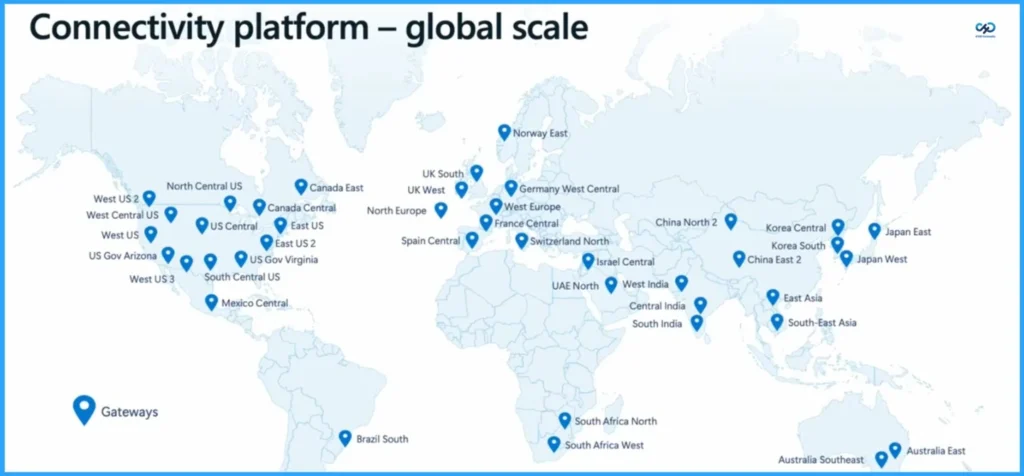
- Microsoft operates its connectivity infrastructure across approximately 40 regions worldwide
- The infrastructure forms a global connectivity estate that spans multiple geographies and Azure regions
- Wide regional coverage helps reduce latency and improves the overall user experience when accessing cloud services
- Each region includes multiple service instances, ensuring the platform does not rely on a single instance.
Microsoft Expands Connectivity Infrastructure Across 40 Azure Regions to Support Global Cloud Access! Microsoft operates its connectivity infrastructure across 40 regions worldwide. This global deployment ensures that users across geographic locations can reliably access cloud services without significant delays or interruptions. By distributing its infrastructure across multiple regions, Microsoft can provide consistent connectivity and maintain high availability for users worldwide.
Table of Content
Table of Contents
Microsoft Expands Connectivity Infrastructure Across 40 Regions to Support Global Cloud Access
These regions collectively form the current global estate of the connectivity platform. The infrastructure is designed to cover multiple geographies and several Azure regions so that organizations and users in different parts of the world can connect to services efficiently. This wide coverage also helps reduce latency and improves the overall user experience when accessing cloud resources.
- The session “Microsoft Expands Connectivity Infrastructure Across 40 Azure Regions to Support Global Cloud Access” was presented during the Microsoft Technical Takeoff by Tom Hickling, Principal Product Manager at Microsoft.
- In this session, the speaker explained how Microsoft operates and expands its global connectivity infrastructure across multiple Microsoft Azure regions to support reliable cloud access for users worldwide.
- Ensuring Fast and Reliable Windows Device to Cloud PC Connections using Azure Front Door
- Built-In-Resilience-and-Reliable-Architecture-Highlights-for-Windows-365-and-Azure-Virtual-Desktop
- 3 Key Areas of Resiliency in Windows 365 and AVD Connectivity Management and Workload
Continuous Expansion of Connectivity Infrastructure into New Azure Regions
Microsoft continues to expand its connectivity infrastructure into new Microsoft Azure regions to improve global service availability. As additional regions are introduced, the connectivity platform becomes more widely distributed and accessible for users across different geographic locations.
| Advantages | Details |
|---|---|
| Reduced Network Distance | Expanding into more regions brings services closer to users, reducing network travel distance. |
| Improved Performance | Shorter network paths help improve connection speed and overall service performance. |
| Stronger Reliability | A wider infrastructure footprint improves service reliability and availability. |
| Better User Experience | Users experience faster and more consistent access to cloud services worldwide. |
| Global Infrastructure Growth | Continuous expansion of the global infrastructure supports a resilient and scalable cloud platform. |
- How to Configure New Windows App Settings for Windows 365 using Intune
- Explore the Windows 365 Cloud PC Overview Reports in Intune
- Seamless Provisioning of Windows 365 Cloud PCs for External Identities with Intune
- Cloud PC Zero to Hero Journey DaaS solution Windows 365
Need Further Assistance or Have Technical Questions?
Join the LinkedIn Page and Telegram group to get the latest step-by-step guides and news updates. Join our Meetup Page to participate in User group meetings. Also, join the WhatsApp Community and the Whatsapp channel to get the latest news on Microsoft Technologies. We are there on Reddit as well

Author
Anoop C Nair has been Microsoft MVP for 10 consecutive years from 2015 onwards. He is a Workplace Solution Architect with more than 22+ years of experience in Workplace technologies. He is a Blogger, Speaker, and Local User Group Community leader. His primary focus is on Device Management technologies like SCCM and Intune. He writes about technologies like Intune, SCCM, Windows, Cloud PC, Windows, Entra, Microsoft Security, Career, etc.