
Key Takeaways
- AI is dramatically reducing the time between vulnerability discovery and exploitation
- Microsoft is introducing new tools for proactive exposure management
- A multi-model strategy ensures flexibility and stronger security outcomes
- Industry collaboration is central to addressing AI-driven threats
- New AI-powered solutions aim to scale enterprise-level defence capabilities
In this post, we are discussing3 Core Areas to Improve Security Reduce Risk and Build Resilience Against AI-Driven Threats. Microsoft has introduced a set of new security capabilities focused on AI threats more effectively. This includes updated guidance to help organisations assess their exposure, prioritise critical risks, and take faster action to fix vulnerabilities. Microsoft has introduced new guidance and tools to help organisations stay ahead of these fast-moving threats.
Table of Contents
Table of Contents
3 Core Areas to Improve Security Reduce Risk and Build Resilience Against AI-Driven Threats
Even though AI is creating new challenges, it also brings new opportunities. The same technology that attackers might use can also help defenders find problems faster, respond quicker, and build stronger systems. Microsoft believes this is a key moment for cybersecurity, where being prepared and acting early can make all the difference.
- Understanding Entra Agentic AI in Security From Manual Work to Fully Autonomous Agents
- How Windows 365 for Agents Performs Intelligent PowerPoint Editing in Cloud PC
- Enhancing Threat Detection and Identity Protection with AI Security Copilot Agents
What’s New
Microsoft is expanding its security tools with features like a unified Secure Now experience for exposure management and a new multi-model AI scanning solution expected in preview soon. By combining AI-driven insights with automation updates aim to help strengthen their security posture and respond to threats at scale more efficiently.
- Microsoft is also strengthening protection through tools like Microsoft Defender and proactive scanning of open-source code.
Advancing Security Through 3 Critical Focus Areas
Microsoft is focusing on 3 key areas to help organisations stay ahead of AI-driven threats. First, it is using advanced AI models likeClaude Mythos Preview within its Security Development Lifecycle to detect vulnerabilities earlier and release fixes faster. These updates are managed through existing systems like MSRC and automatically applied for cloud users, while on-premises customers must ensure they stay updated

- AI-led vulnerability discovery and mitigation to stay current on software
- AI-ready posture to reduce exposure
- AI-powered solutions to defend at scale
AI-led vulnerability Discovery and mitigation to Stay Current on Software
Microsoft is integrating advanced AI models like Claude Mythos Preview into its Security Development Lifecycle to detect vulnerabilities earlier and release fixes more quickly. These findings are managed through existing processes, with automatic updates for cloud users and patching for others. The approach helps organisations stay current and reduces the risk of fast-moving AI-driven attacks.
AI-Ready Posture to Reduce Exposure
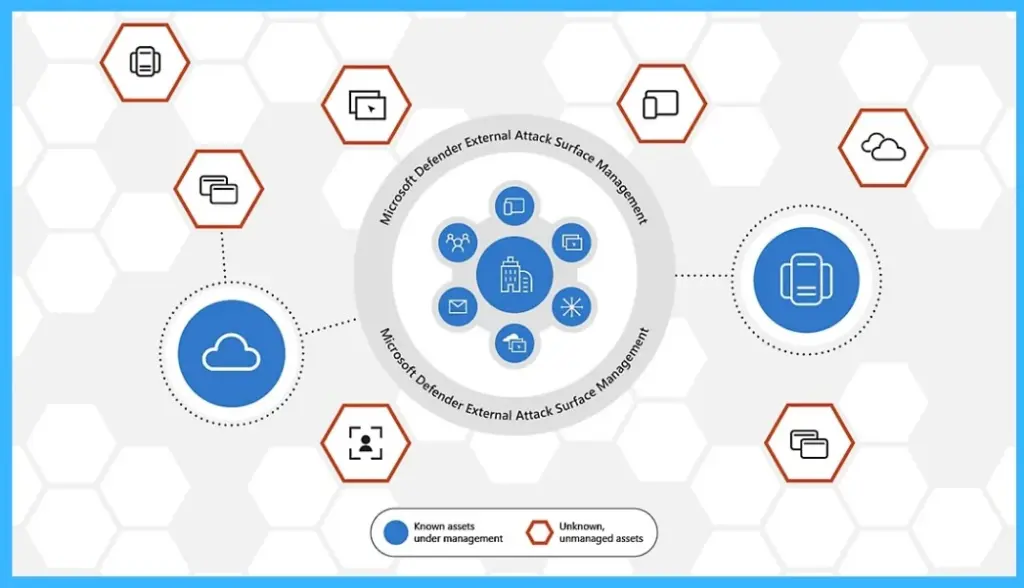
Microsoft highlights patching by focusing on key risk areas such as open-source software, internet-facing assets, and overall security hygiene. Through Microsoft Security Exposure Management and tools like Defender EASM and GitHub Advanced Security, organisations can assess their exposure, prioritise actions, and automate remediation. The Secure Now experience brings everything together to help reduce risks more practically and proactively.
- Microsoft Security Exposure Management provides guidance and capabilities that customers can use to:
| Dimension | Why It Matters | What Microsoft Security Exposure Management Provides |
|---|---|---|
| Patching | AI attacks exploit delays in updates | Assess patch status, prioritize urgent fixes, automate remediation |
| Open‑source software | Widely used code can hide vulnerabilities | Guidance to evaluate dependencies, apply updates, and reduce risk |
| Customer source code | Proprietary code may contain exploitable flaws | Tools to scan, validate, and remediate issues before release |
| Internet‑facing assets | Public endpoints are prime attack targets | Visibility into exposed assets, prioritized actions to harden them |
AI-Powered Security at Enterprise Scale
Microsoft is also developing AI-powered solutions to defend at scale, including faster detections in Microsoft Defender and a new multi-model AI scanning solution expected in preview in June 2026. These tools are designed not only to find vulnerabilities but also to prioritise and fix them efficiently. By combining AI insights with real-world context, organisations can manage security more effectively without overwhelming their teams.
Need Further Assistance or Have Technical Questions?
Join the LinkedIn Page and Telegram group to get the latest step-by-step guides and news updates. Join our Meetup Page to participate in User group meetings. Also, join the WhatsApp Community and the Whatsapp channel to get the latest news on Microsoft Technologies. We are there on Reddit as well.
Author
Anoop C Nair is a Workplace Technology solution architect with 25+ years of experience. Microsoft Certified Trainer. Microsoft MVP from 2015 onwards for consecutive 11+ years! He is a blogger, Speaker, and Founder of HTMD Community and HTMD Conference. His main focus is on Device Management technologies like Intune, Windows, and Cloud PC. He writes about technologies like Intune, SCCM, Windows, Cloud PC, Entra, and Microsoft Security.